


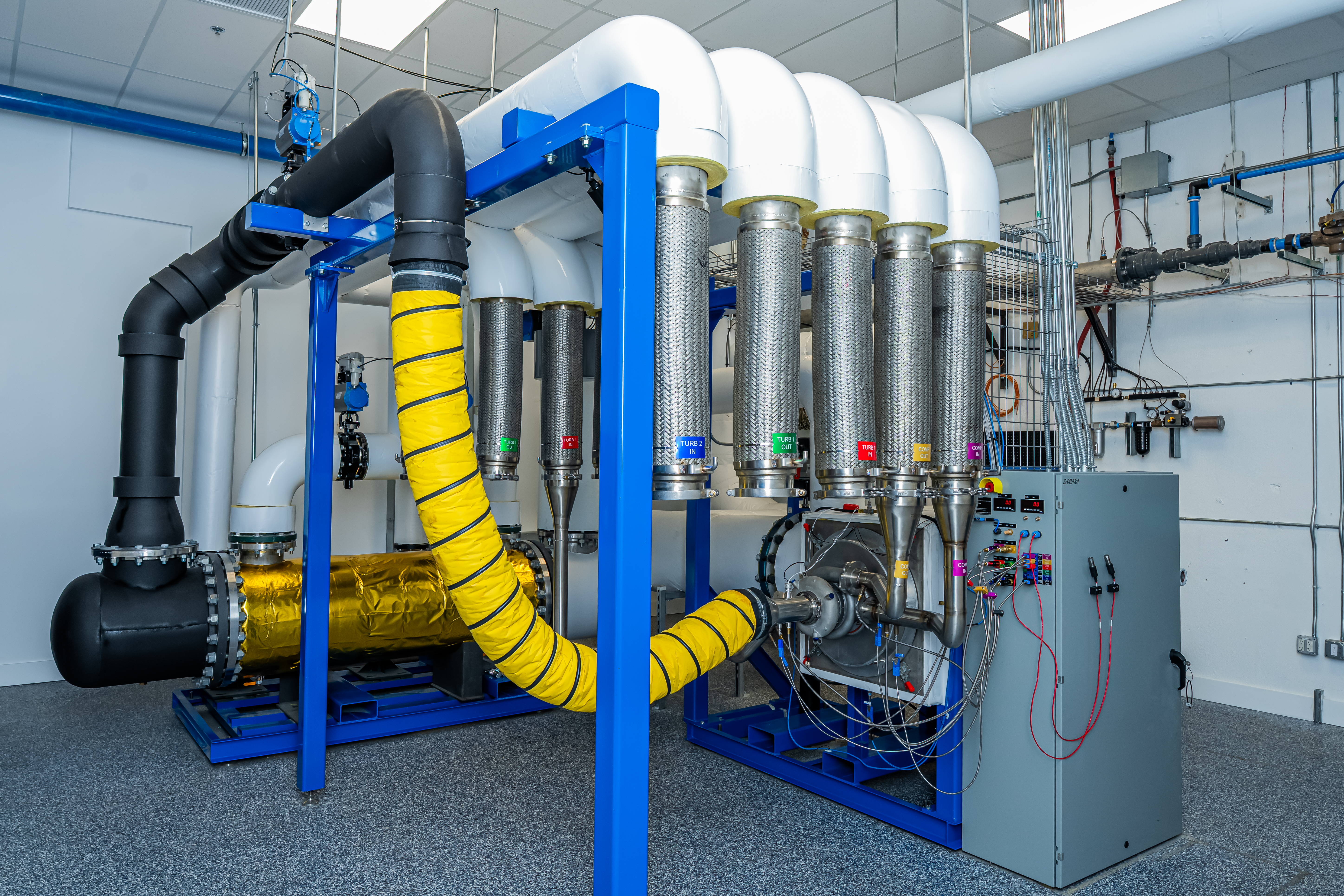
Pneumatic systems pull hot, high-pressure air from the engines and route it throughout the aircraft to do several critical jobs at once: pressurizing and cooling the cabin, preventing ice buildup on wing and engine surfaces, and pressurizing various fluid systems. That means pneumatic components operate under some of the harshest conditions on the aircraft, high heat, high pressure, constant cycling, and they fail accordingly.
Air Cycle Machines (ACMs), which are central to the environmental control system, and high-pressure valves, which regulate bleed air flow throughout the aircraft, are two of the most common pneumatic components to come off-wing for overhaul. Both are safety-critical, and both require specialized test equipment to verify they're airworthy before they go back on an aircraft — equipment that not every MRO facility has in-house.
What Proper Testing Actually Verifies
Testing an ACM or a high-pressure valve isn't a matter of confirming it powers on. A proper test stand verifies the component performs correctly across its full operating envelope, the pressures, temperatures, and flow rates it will actually see in service, not just under benign bench conditions.
For an ACM, that typically means verifying turbine and compressor performance, checking for proper cooling output, and confirming the unit performs correctly across its rated range rather than just at a single test point. For a high-pressure valve, it means confirming the valve opens, closes, and regulates flow correctly under the actual pressures and temperatures it will face in operation, not simplified stand-in conditions.
Skipping full-spec testing or relying on a facility that can only test to a partial envelope doesn't necessarily mean a component fails immediately. It means the component goes back into service without full confidence in how it will perform once it's actually under load at altitude, which is exactly the wrong place to discover a problem.
The Capacity Problem
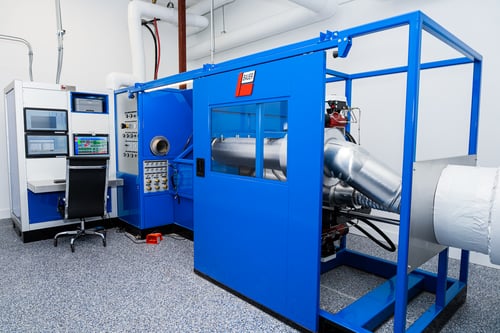
Not every MRO facility maintains in-house test stands capable of handling ACMs and high-pressure valves at full operating specifications, the equipment is expensive, specialized, and only worth the investment at real volume. That means a meaningful share of pneumatic component overhauls in the industry get routed through a smaller number of facilities that do have this capability, or get sent out to third-party test labs as a separate step in the repair process.
Both paths add time. An operator with an AOG pneumatic component isn't just waiting on the repair itself, they may be waiting on the repair, then a separate shipment to a test facility, then a wait for that facility's queue, before the component ships back. For AOG situations, that chain of handoffs is often the actual bottleneck, not the repair work itself.
Why This Matters More as Fleets Age
Aging fleets and extended service lives, a pattern showing up across the industry as new-aircraft deliveries continue to lag demand, mean more pneumatic components are reaching the point where testing and overhaul become routine rather than occasional. A testing bottleneck that was a minor inconvenience when component overhaul volumes were lower becomes a real constraint on turnaround time as those volumes grow.
Closing The Loop
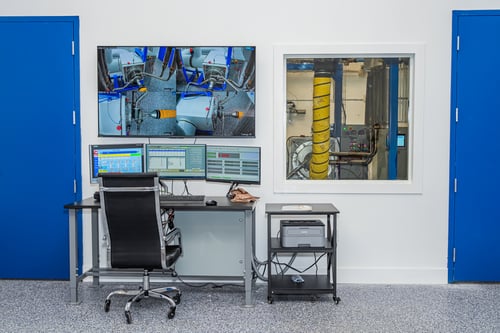
This is the gap AerSale Component Solutions' new pneumatics testing capability, including ACM and high-pressure valve test stands, is built to close. Bringing full-spec testing in-house, rather than routing components through a separate third-party test step, shortens the chain of handoffs between repair and return-to-service, which is exactly where AOG turnaround time tends to get lost.
For operators managing pneumatic component repairs, the practical question worth asking any MRO partner is simple: does this facility test to full operating specification in-house, or does testing happen somewhere else, on someone else's schedule?
Contact AerSale Component Solutions to learn more about pneumatics testing and repair capabilities.